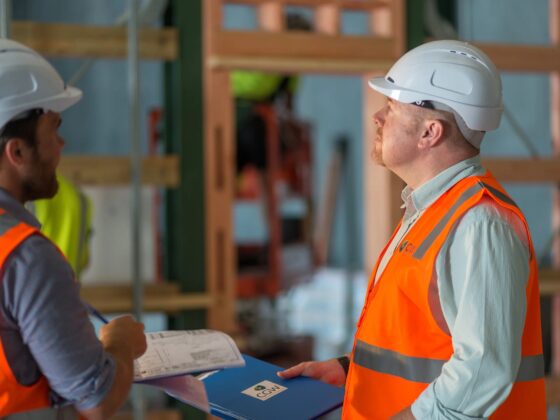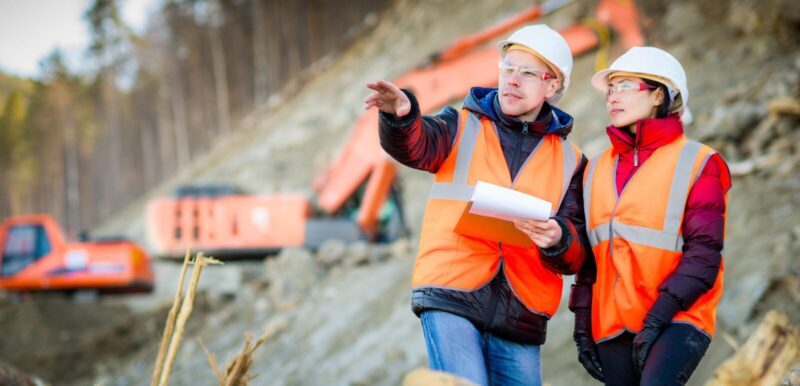
Construction Quality Assurance services help civil projects meet design requirements, comply with specifications, and deliver reliable outcomes that stand up to performance and durability expectations. By verifying materials, workmanship, and testing results throughout construction, CQA reduces the risk of defects, rework, and disputes. It also provides traceable documentation that supports approvals, handover, and long term asset management.
What CQA covers on civil construction projects

In the first paragraph after this heading, a construction quality assurance company GeoQ can support civil works with structured inspection and testing programs that align with project specifications and regulatory requirements.
CQA typically includes inspection and verification of earthworks, fill placement, compaction, subgrade preparation, and pavement construction. It also covers concrete works, drainage, retaining structures, and geosynthetics installation where applicable.
Field testing may include density and moisture testing, CBR, proof rolling observations, concrete sampling and strength testing, and verification of asphalt compaction and thickness. Effective CQA ensures the work matches design intent and that any non conformances are identified early when corrective action is still straightforward.
Why independent verification improves outcomes

Independent CQA helps keep projects on track by providing objective checks that reduce assumptions and catch issues before they escalate. Civil projects often involve multiple subcontractors and fast moving work fronts, which can create gaps in communication or inconsistent workmanship. Regular inspections and timely test results allow site teams to confirm compliance in real time rather than discovering problems after surfaces are sealed or structures are covered.
CQA also supports risk management. Early detection of weak subgrades, unsuitable materials, or incorrect installation can prevent premature failures such as settlement, cracking, rutting, or drainage issues. In addition, verified records reduce contract disputes by providing evidence of compliance, corrective actions, and test outcomes, which is valuable during variations, claims, or audits.
CQA planning, reporting, and documentation for handover
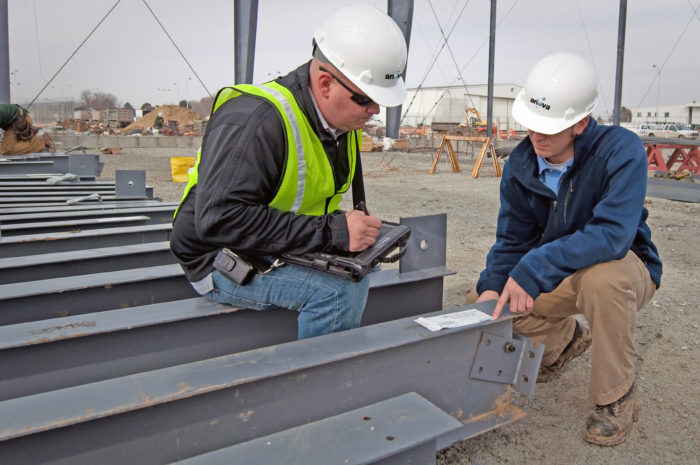
A strong CQA program begins with a clear inspection and test plan that defines hold points, witness points, testing frequencies, and acceptance criteria. This plan should align with the construction program so testing does not delay progress while still providing adequate coverage for quality control. Clear communication between the contractor, superintendent, and testing teams helps ensure issues are addressed quickly and rework is minimised.
Reporting is a key deliverable. Daily site observations, non conformance reports, laboratory results, and compliance summaries create a traceable record that supports final certification and handover.
For asset owners, this documentation also provides confidence that the work was built to specification and can be maintained effectively over its life. Well organised records make it easier to demonstrate compliance to regulators and stakeholders long after construction is complete.
Conclusion
Construction Quality Assurance services strengthen civil projects by verifying compliance, reducing defects, and providing reliable documentation for approvals and handover. With well planned inspection and testing, independent verification, and clear reporting, project teams can improve quality outcomes, reduce rework, and deliver assets that perform as intended.