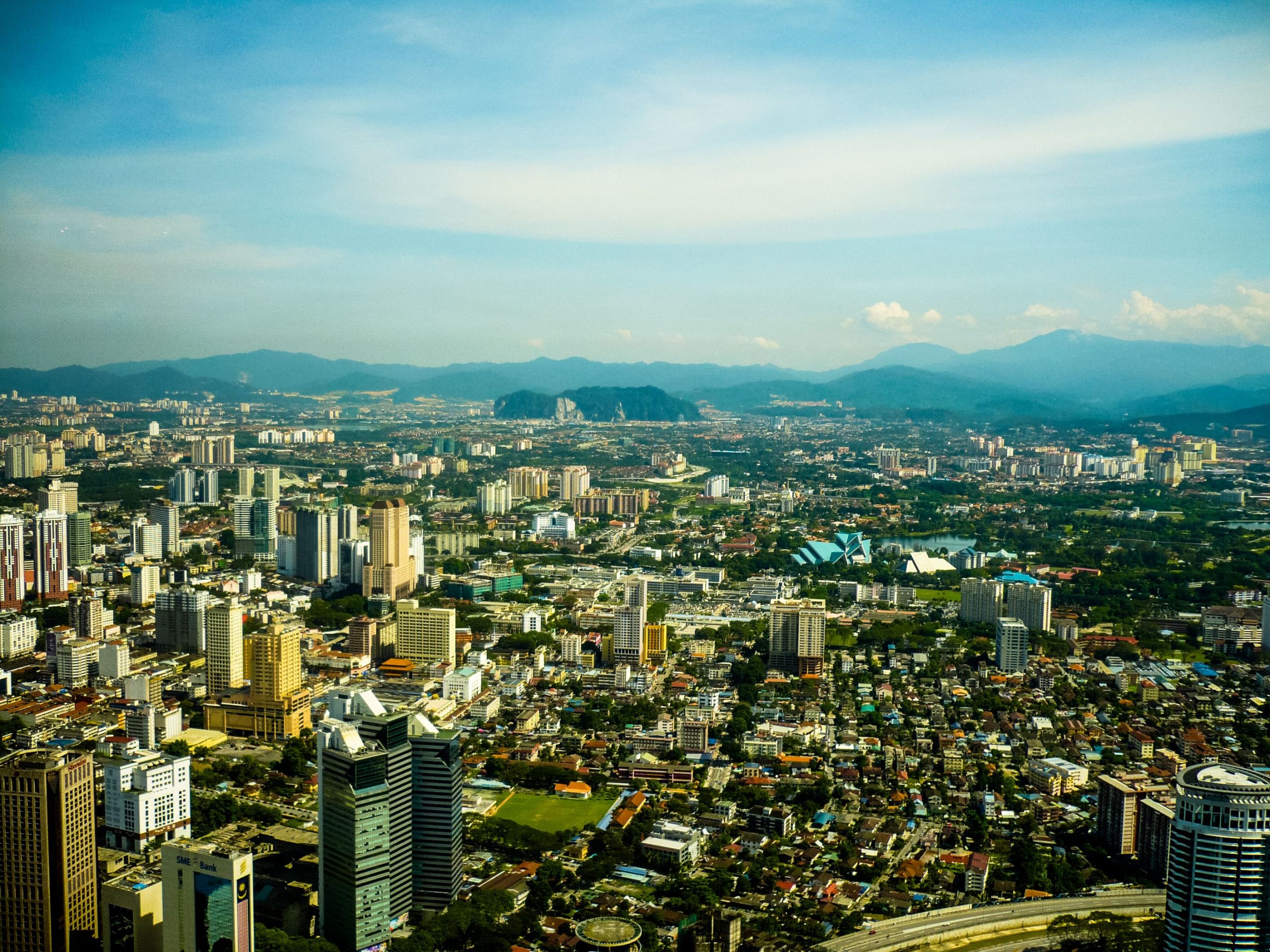
Malaysia’s regional development is no longer best understood as a simple contrast between a prosperous west coast and a less-developed east. The more useful picture is a network of different economic systems: manufacturing clusters in the north, logistics and services around the Klang Valley and Johor, resource and energy industries in Borneo, agriculture and tourism across many states, and smaller urban centres that are gaining importance as transport and digital connections improve.
The latest official figures reinforce that point. The Department of Statistics Malaysia (DOSM) reported that every state recorded positive economic growth in 2025, although performance differed widely by location and sector. Malaysia’s real GDP grew by 5.2 per cent, while Johor, Pulau Pinang, Selangor and Perak grew faster than the national rate. The central question for the next phase is therefore not whether growth exists, but whether infrastructure, skills, investment and public services can spread its benefits more evenly.
What the latest state-level data shows
DOSM’s 2025 GDP by state release provides the clearest starting point. Services and manufacturing together contributed 82.5 per cent of Malaysia’s GDP in 2025. Construction was the fastest-growing major sector, expanding by 12.2 per cent, while services grew by 5.4 per cent and manufacturing by 4.5 per cent.
At state level, Johor recorded the fastest growth at 8.0 per cent, followed by Pulau Pinang at 7.3 per cent, Selangor at 6.3 per cent and Perak at 5.7 per cent. Six major contributors, namely Selangor, Kuala Lumpur, Johor, Sarawak, Pulau Pinang and Perak, accounted collectively for 73.2 per cent of national GDP. This concentration matters because national growth can remain strong even when smaller states have more modest economic bases.
| State or territory | GDP growth | Notable economic feature |
|---|---|---|
| Johor | 8.0% | Strong services growth, manufacturing and construction activity |
| Pulau Pinang | 7.3% | Electrical, electronics and optical products |
| Selangor | 6.3% | Large services base, logistics, manufacturing and digital activity |
| Perak | 5.7% | Strong manufacturing growth |
| Sabah | 5.1% | Services, construction, tourism and resource-linked activity |
| Sarawak | 3.6% | Services, agriculture, natural gas and construction |
| Terengganu | 1.6% | Services and agriculture growth, with weaker manufacturing and construction |
Source: DOSM, Gross Domestic Product by State, 2025. GDP growth is measured against 2024.
The table also shows why headline growth rates require context. Terengganu’s economy grew more slowly than the national economy, but its agriculture sector expanded by 4.2 per cent. Sabah’s overall growth was supported by a 28.3 per cent increase in construction, while Sarawak combined 5.4 per cent services growth with 4.3 per cent agriculture growth. A state can therefore have an important development story even when its total GDP growth is not among the highest.
Four regional patterns shaping Malaysia
1. The Klang Valley remains the anchor, but not the whole story
Selangor and Kuala Lumpur continue to form Malaysia’s largest concentration of economic activity. Selangor alone represented 26.5 per cent of national GDP in 2025, with a value of RM460.1 billion. Its services economy includes trade, logistics, information and communications, business services and activity associated with manufacturing supply chains.
This scale creates advantages in labour markets, supplier networks and access to services. It also creates planning pressures, including congestion, land costs, housing demand and the need to coordinate growth across administrative boundaries. Regional development policy increasingly has to ask how the Klang Valley can remain productive without absorbing every high-value activity available in the country.
2. Northern Malaysia is deepening its advanced manufacturing base
Pulau Pinang’s 7.3 per cent growth in 2025 was led by manufacturing, which expanded by 10.0 per cent. DOSM linked this performance particularly to electrical, electronic and optical products. Kedah also benefited from related manufacturing activity, with its manufacturing sector growing by 5.0 per cent and its overall economy by 4.1 per cent.
This pattern suggests that industrial development works best as a regional system rather than as a single industrial estate. Research, component suppliers, technical education, logistics and housing all influence whether a manufacturing cluster can move into higher-value activities. The policy challenge is to extend those capabilities into nearby towns without weakening the established hubs.
3. Johor is becoming a major southern growth platform
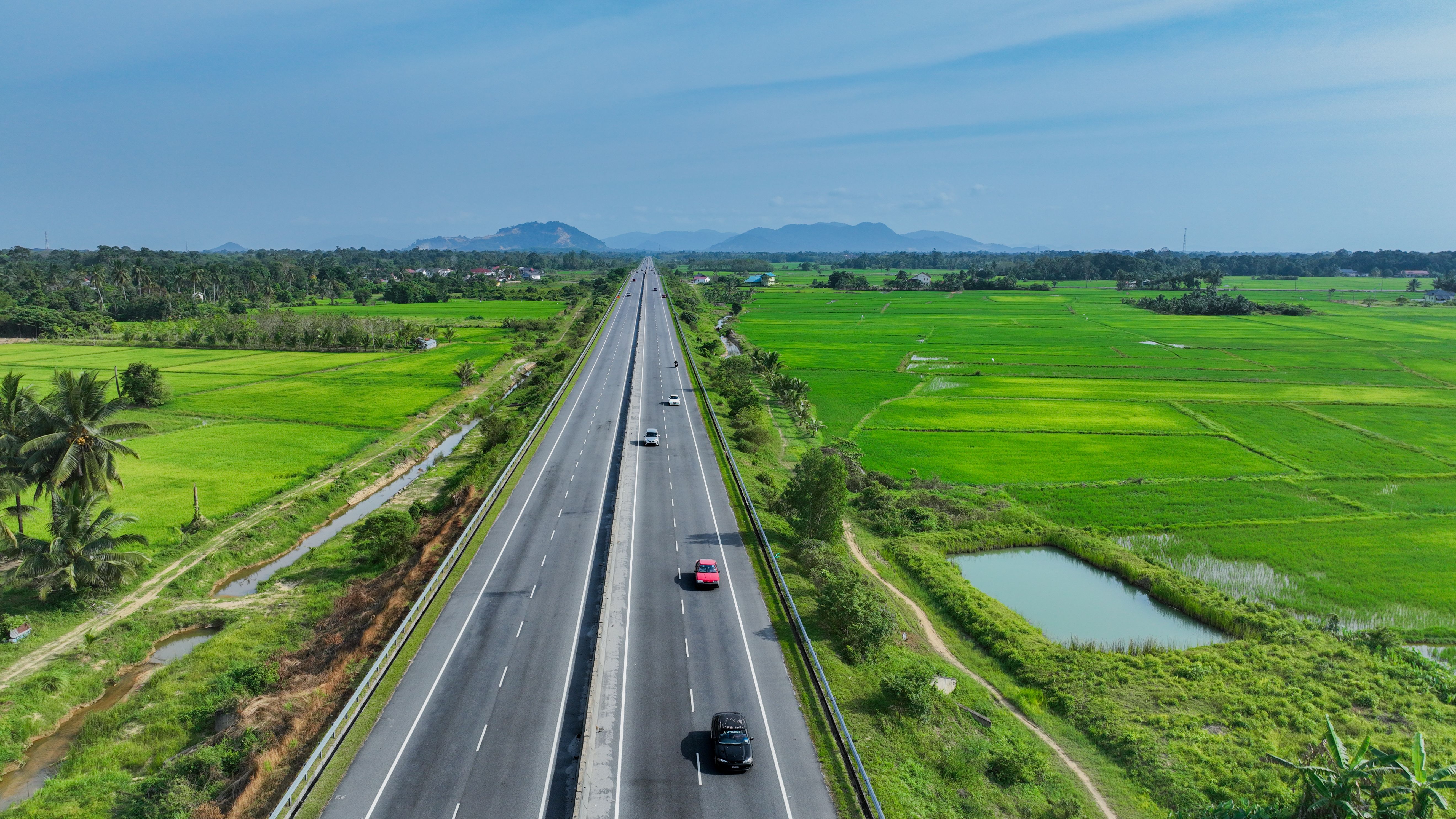
Johor led all states in GDP growth in 2025. Its services sector expanded by 9.9 per cent, while construction rose by 26.7 per cent. Its position beside Singapore, its ports, industrial areas and expanding urban network give it a distinctive role in Malaysia’s southern economy.
Johor’s development should not be reduced to cross-border commerce. The state’s performance also reflects transport, utilities, manufacturing, construction and digital activity. The longer-term test will be whether new investment creates durable local supply chains, productive employment and public infrastructure that keeps pace with population and business growth.
4. East Malaysia combines scale, distance and resource transition
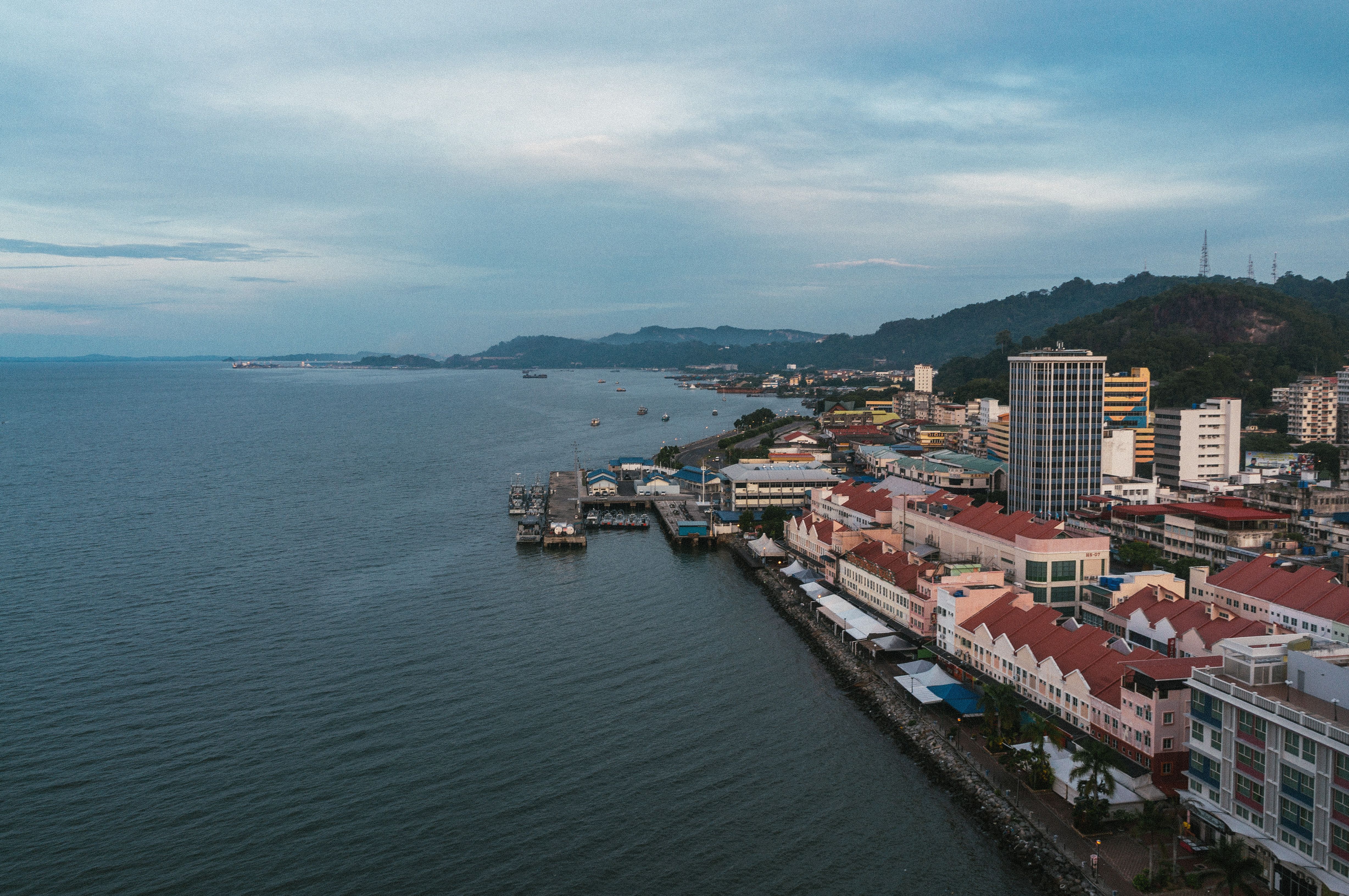
Sabah and Sarawak illustrate why regional development cannot be judged only by proximity to the peninsula’s main corridors. Sarawak recorded GDP of RM153.5 billion in 2025, with services, agriculture, natural gas and construction all contributing to its economy. Sabah recorded 5.1 per cent growth, supported by services, construction, manufacturing and a recovery in mining and quarrying.
Distance raises the cost of infrastructure and service delivery, but it also makes connectivity especially valuable. Ports, roads, air links, broadband, reliable electricity and skills institutions can determine whether local resources are exported with limited local value added or support broader industrial ecosystems. The development question is not simply how much investment arrives, but how deeply it connects with local firms and communities.
Infrastructure is becoming a regional productivity issue
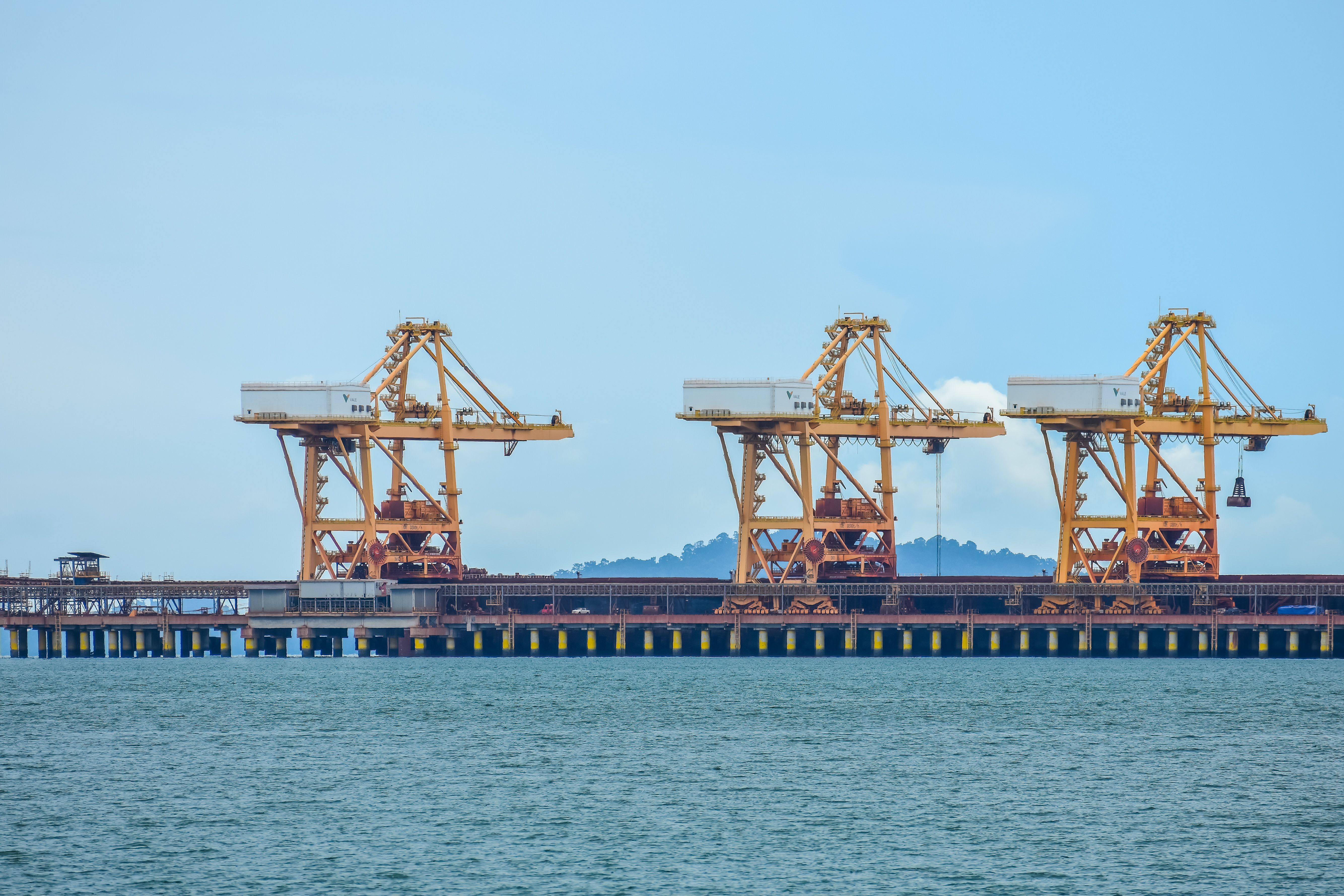
Roads, ports and railways remain visible markers of development, but their economic value depends on how they connect people and firms to opportunities. A highway across agricultural districts can reduce travel time, improve access to markets and support tourism. A port can serve manufacturing and food supply chains, not only bulk commodities. Broadband can allow a small business outside a major city to reach customers and services that were previously unavailable.
That is why the Ministry of Economy’s regional development function covers spatial planning, rural development, economic corridors and cooperation between regions. The institutional approach recognises that infrastructure decisions cannot be separated from land use, urbanisation, investment facilitation and public services.
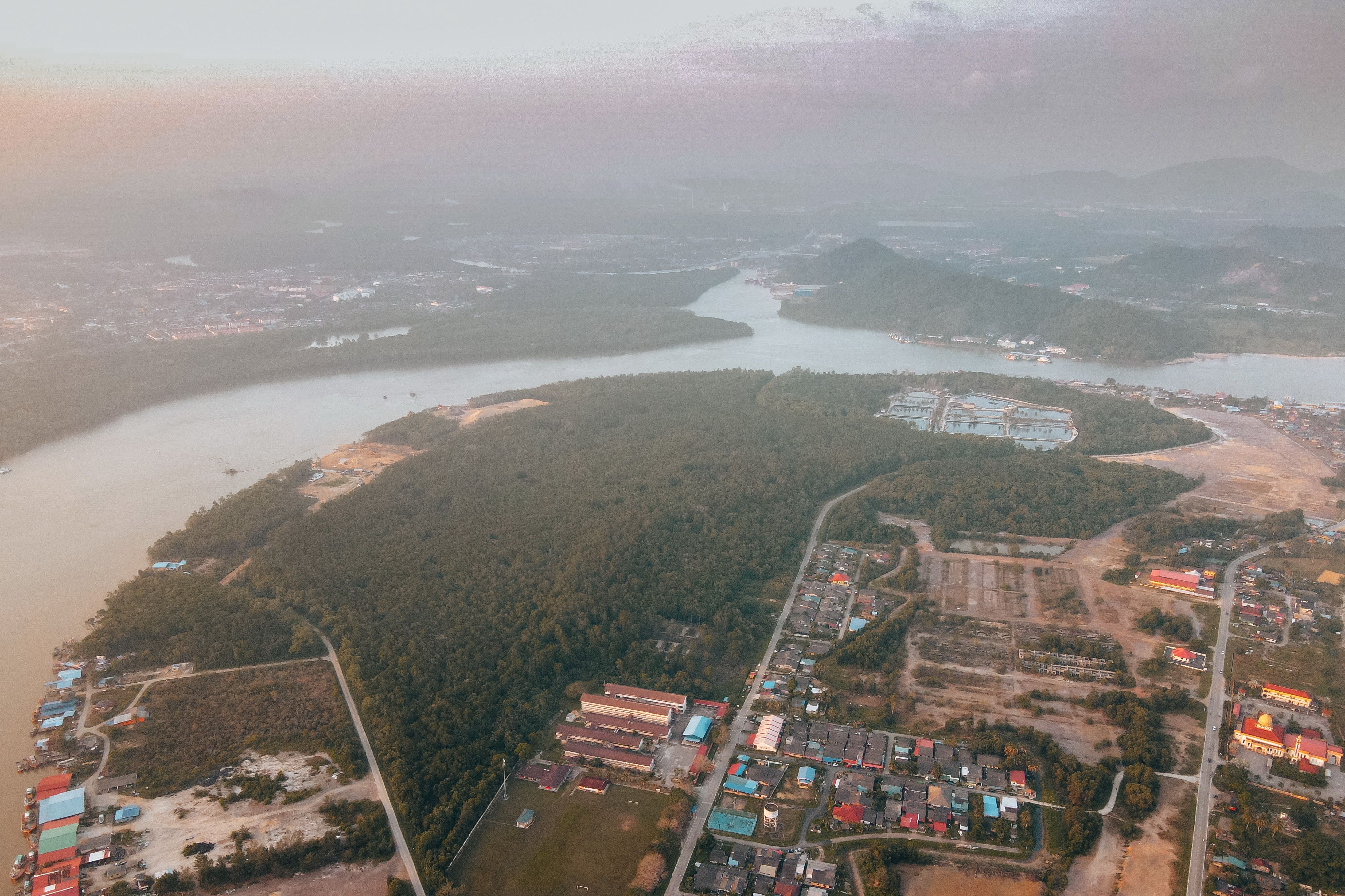
Connectivity also needs to be measured beyond construction completion. Useful questions include whether travel times have fallen, whether firms are using the infrastructure, whether local workers can access new jobs, and whether maintenance costs are sustainable. A project may be strategically important even if its short-term GDP effect is modest, but those outcomes should be tracked separately rather than assumed.
The policy shift toward balanced and place-based growth
The Thirteenth Malaysia Plan for 2026-2030 places balanced regional growth and rural development among its priorities. It calls for better access to basic infrastructure and services in less-developed and rural areas, stronger urban management, transit-oriented development, and investment in education and technical and vocational education and training.
The plan also identifies rural investment hubs, geospatial intelligence and specialised production hubs as tools for using local economic potential. Examples cited in the plan include green industrial development in Kerian, the Kulim Hi-Tech Park, the Kota Kinabalu Industrial Park and halal industrial parks. The important shift is from treating rural areas only as recipients of infrastructure to considering them as potential locations for productive, specialised activity.
That approach has a practical advantage: it allows policies to reflect differences between places. A coastal logistics centre, an agricultural district, a semiconductor cluster and a remote settlement should not be expected to follow the same development model. Local productivity programmes, skills planning and investment incentives are more likely to work when they are designed around the actual economy of each area.
Why GDP is useful but incomplete
State GDP is essential for understanding economic structure, yet it is not a complete measure of regional wellbeing. DOSM’s state socioeconomic reporting also includes population, labour, wages, domestic tourism, international trade and government accounts. Those indicators help explain whether growth is translating into better opportunities and services.
Per-capita figures add another layer. In 2025, six states or federal territories exceeded the national GDP per-capita level of RM59,167: Kuala Lumpur, Putrajaya, Labuan, Pulau Pinang, Sarawak and Selangor. Per-capita GDP can reveal differences in economic output, but it should not be treated as the same thing as household income. It is a production measure, and the result can be influenced by commuting, corporate activity and the location of large resource industries.
For a fuller assessment, analysts should combine GDP with wages, employment quality, access to education and healthcare, housing costs, connectivity, environmental conditions and resilience to floods or other hazards. This broader dashboard is especially important when comparing rapidly growing urban regions with rural districts or resource-producing states.
What to watch through 2030
- Whether growth spreads beyond established hubs: The policy objective is not to weaken Selangor, Johor or Pulau Pinang, but to build credible alternatives and stronger links to surrounding regions.
- Whether digital investment creates local capability: Data centres and digital infrastructure can support productivity, but regional benefits depend on power, skills, supplier participation and appropriate planning.
- Whether manufacturing becomes more knowledge-intensive: Electronics, medical devices, advanced materials and related services can raise productivity when training and research capacity keep pace.
- Whether rural development becomes commercially durable: Rural hubs need market access, logistics, finance, skills and reliable services, not only land or buildings.
- Whether East Malaysian connectivity improves in practical terms: The relevant outcomes include travel reliability, broadband quality, energy access, logistics costs and local participation in supply chains.
- Whether urban growth remains liveable: Housing, public transport, flood management and access to services will determine whether economic expansion improves everyday life.
Readers who want to follow how state-level institutions and local conditions shape the wider national picture can also consult independent regional reporting as one source of broader context. That kind of context is most useful when read alongside official economic data rather than treated as a substitute for it.
Frequently asked questions
What is regional development in Malaysia?
Regional development refers to policies and investments that shape economic activity, infrastructure, public services, employment and quality of life across different states, cities, rural districts and corridors.
Which Malaysian state grew fastest in 2025?
Johor recorded the fastest state-level GDP growth in 2025 at 8.0 per cent, according to DOSM.
Why do Malaysian states have different development patterns?
States differ in industrial structure, natural resources, population density, location, infrastructure, workforce skills, trade connections and urban networks. These factors influence both the level and the type of growth recorded.
Is GDP per capita the same as average household income?
No. GDP per capita measures economic output per person in a location. Household income measures the earnings and transfers received by households. The two indicators can move differently.
What is the main regional development priority for 2026-2030?
The Thirteenth Malaysia Plan emphasises more balanced growth, stronger rural development, improved basic infrastructure and services, better urban management, skills development and greater economic integration between regions.
A more connected map of growth
Malaysia’s regional development trend is best described as diversification with uneven capacity. The country has several strong growth engines, but they do not produce the same jobs, infrastructure needs or social outcomes. Johor’s southern platform, northern manufacturing, Klang Valley services, and Sabah and Sarawak’s resource and connectivity challenges each require different policy responses.
The next stage will be judged less by whether a single state tops the growth table and more by whether transport, digital networks, skills and public services allow more places to participate in higher-value activity. A balanced regional economy is not one in which every state looks identical. It is one in which different regions can build on their own strengths while remaining connected to the opportunities of the wider country.