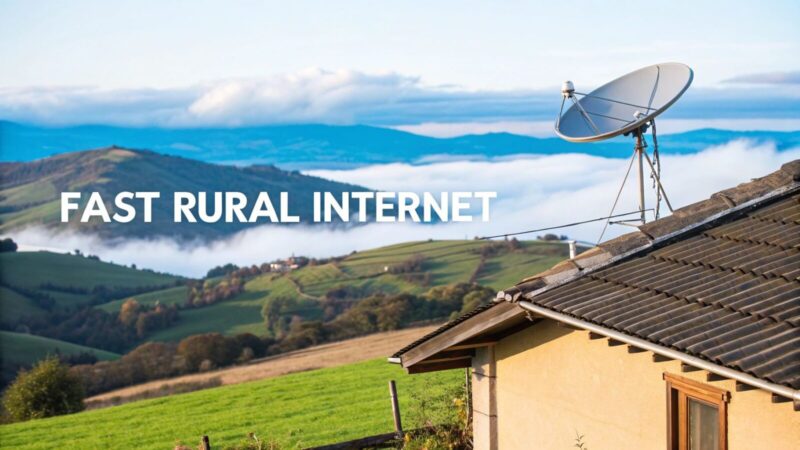
Remote communities, farms, islands, construction sites, and rural businesses may be located beyond the reach of fibre networks and reliable mobile coverage. Extending terrestrial infrastructure to these locations can be difficult and expensive, particularly where terrain or low population density limits commercial viability.
Satellite internet provides an alternative by transmitting data between equipment at the property and satellites above Earth. It can support communication, education, remote work, business systems, and entertainment without requiring a conventional cable connection.
How a Satellite Internet Connection Operates
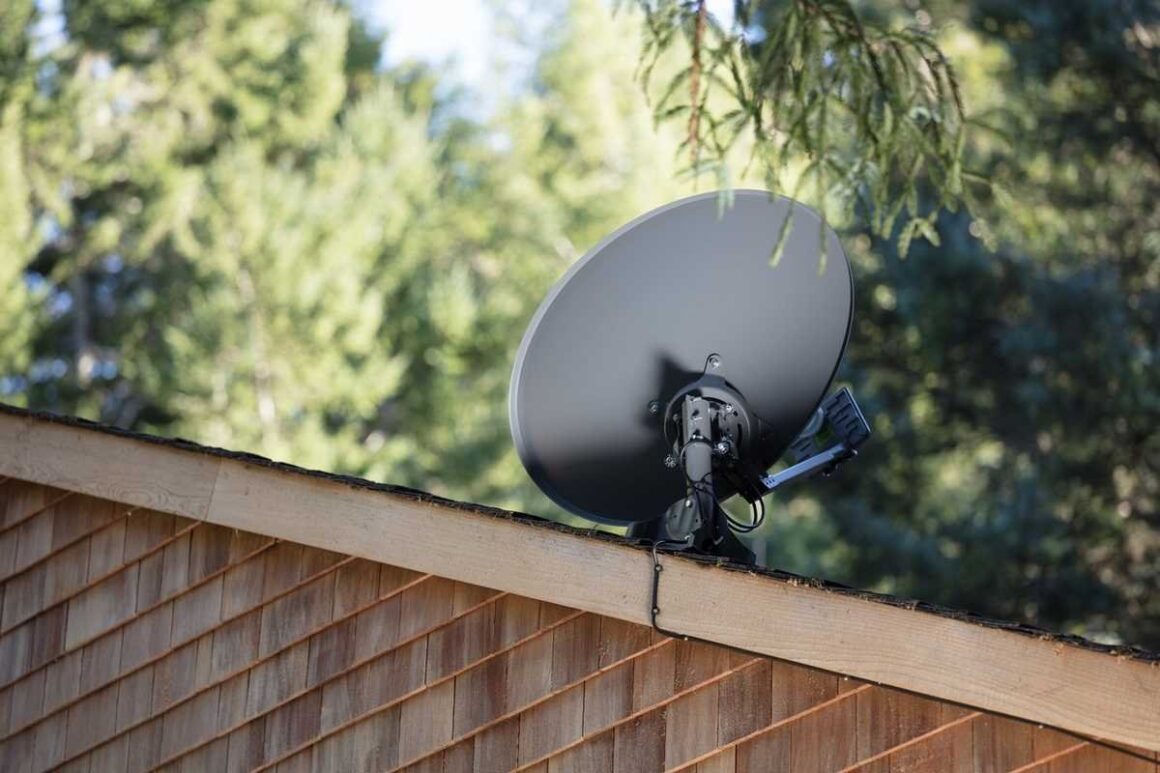
A satellite internet system typically includes an outdoor user terminal, mounting equipment, a router, cables, and a power supply. The terminal sends and receives data through satellites, which connect users to the wider internet through supporting network infrastructure.
Traditional services often use satellites positioned at high altitudes. Newer low-Earth-orbit networks operate much closer to Earth and use groups of moving satellites to maintain coverage. The shorter signal path can reduce latency and create a more responsive connection.
The terminal requires a broad and unobstructed view of the sky. Trees, buildings, mountains, and other physical barriers can interrupt communication with passing satellites, potentially causing temporary service disruptions.
Installation applications can help identify a suitable location before the equipment is mounted. The terminal may be placed on a roof, pole, wall, or ground support, depending on the property and surrounding obstructions.
Choosing and Installing a Suitable Service

To be informed where to buy Starlink in the Philippines, you will need to research the options with telecommunication companies and find the best fit for you. Compare official availability, service plans, equipment, installation support, warranties, and ongoing charges.
The selected plan should match how the connection will be used. A household may prioritise streaming, online learning, and video calls, while a business may need stronger support for cloud systems, payment processing, remote monitoring, and several simultaneous users.
Installation costs can extend beyond the standard equipment kit. Some properties require a specialised mount, longer cable, surge protection, additional Wi-Fi equipment, or professional work to secure the terminal safely.
Local weather and environmental conditions should also be considered. Strong winds, heavy rain, salt exposure, high temperatures, and lightning can affect equipment placement and mounting requirements. Cable entries must be weatherproof and protected from damage.
Maintaining Reliability in Remote Locations

Satellite internet requires electricity for the terminal and router. Properties that experience frequent power cuts may need an uninterruptible power supply, battery system, or generator to keep essential communications operating.
Large buildings and commercial sites may require additional access points or a mesh network to distribute Wi-Fi effectively. The satellite connection can reach the property successfully while users still experience poor performance because of inadequate internal coverage.
Businesses should consider maintaining a backup connection when internet access is critical. A secondary mobile, fixed wireless, or another available service can provide limited connectivity if the primary system becomes unavailable.
Normal cybersecurity measures remain necessary. Users should change default passwords, update router firmware, enable suitable encryption, and separate guest access from business or operational devices.
Regular inspections can identify loose mounts, damaged cables, growing vegetation, and new obstructions. Keeping the terminal’s field of view clear helps maintain more consistent performance.
Conclusion
Satellite internet connects properties without fibre or mobile coverage by exchanging data between a user terminal and satellites. Its effectiveness depends on clear sky visibility, suitable equipment, stable power, and a service plan that matches user demand.
By comparing providers carefully and planning the installation, Wi-Fi coverage, backup power, and security, remote households and businesses can create a dependable connection where conventional internet services are limited.