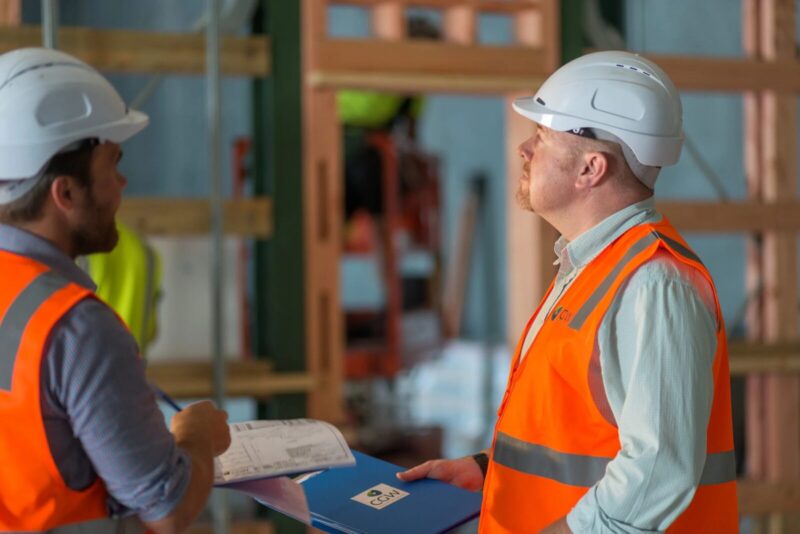
Fire safety in high rise and commercial developments requires far more than basic code compliance. Modern buildings are larger, taller, and more architecturally complex than ever before, often incorporating mixed uses, underground levels, atriums, and innovative materials. Fire safety consulting provides structured, performance based strategies that protect occupants, assets, and long term operational continuity.
Fire Safety Challenges In High Rise And Commercial Projects
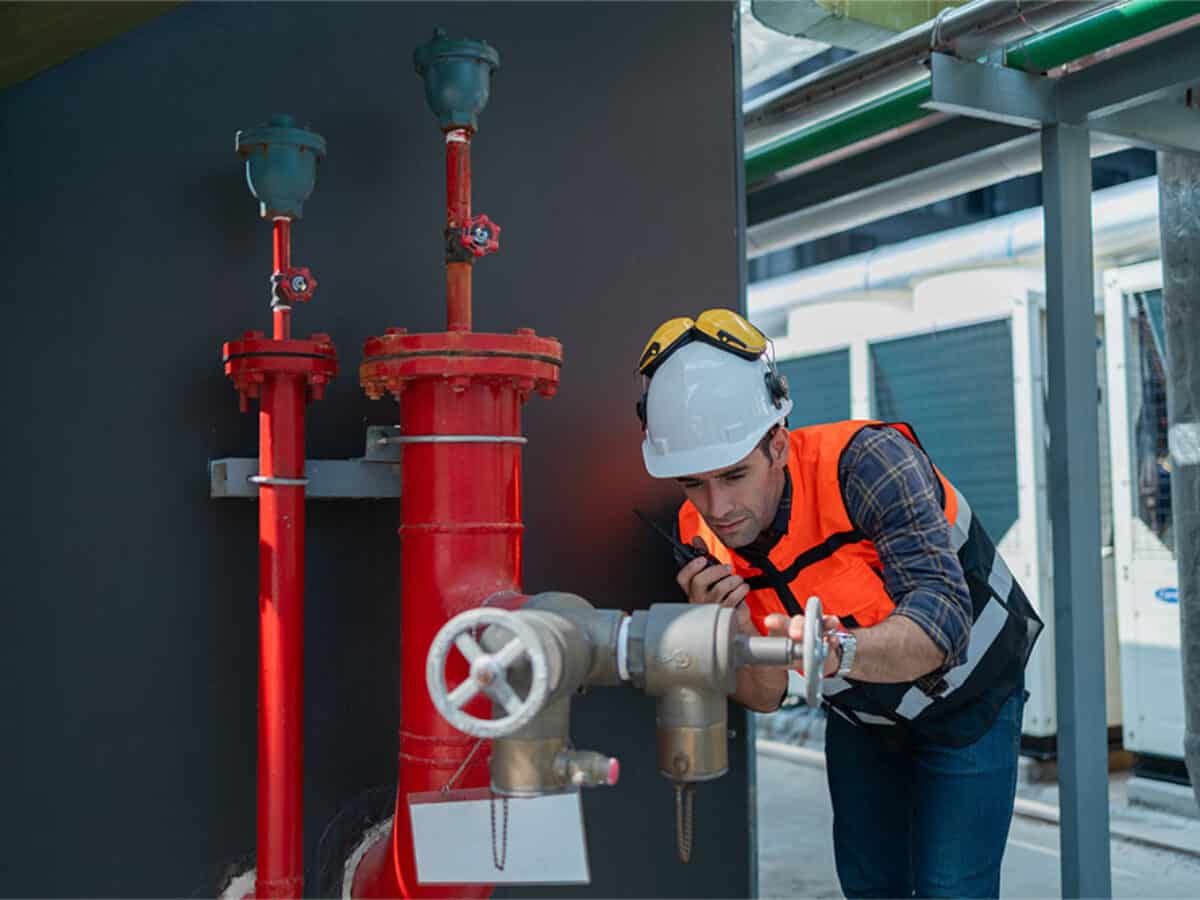
Developers seeking an impeccable fire engineering performance solution must address the unique risks associated with vertical construction and high occupancy environments. High rise buildings present complex evacuation challenges due to travel distances, stairwell capacity, and the time required for full building egress. Commercial developments such as shopping centres, office towers, and mixed use complexes add further layers of risk through diverse occupancy types and varying fire loads.
Fire safety consultants assess how fire and smoke may spread within interconnected spaces, including lift shafts, service risers, and open atriums. They evaluate how building geometry, ventilation systems, and façade materials influence fire behavior. These assessments go beyond prescriptive code minimums and focus on real world performance under potential fire scenarios.
In high rise developments, smoke control and pressurization systems are particularly critical. Properly designed systems prevent smoke infiltration into escape routes and maintain tenable conditions for evacuation. Consultants also review structural fire resistance requirements to ensure building elements maintain integrity for the necessary duration during an emergency.
Performance Based Design And Risk Analysis
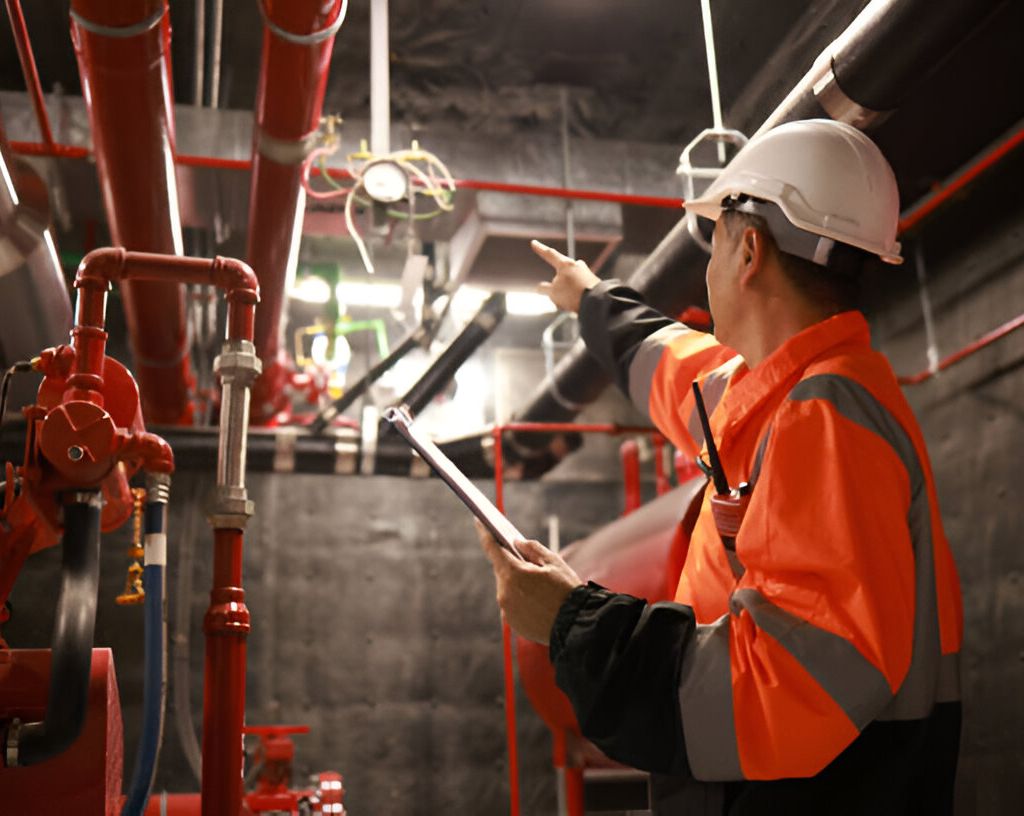
Performance based fire engineering allows consultants to develop tailored strategies suited to complex architectural designs. Rather than applying uniform solutions, consultants use fire modeling, computational fluid dynamics simulations, and evacuation analysis to test how a building would respond in different fire scenarios.
Risk analysis begins by identifying ignition sources, fuel loads, occupancy patterns, and operational factors. For commercial developments, this may include retail spaces, food courts, office floors, plant rooms, and parking structures. Each area presents different risk profiles and requires coordinated mitigation measures.
Based on this analysis, consultants may recommend advanced detection systems, enhanced sprinkler coverage, smoke exhaust systems, compartmentation strategies, or alternative egress solutions. The goal is to demonstrate that the building meets or exceeds required safety performance outcomes while supporting architectural intent.
Performance based solutions often provide greater design flexibility and cost efficiency. By aligning safety measures with actual risk levels, developers can avoid unnecessary over design while maintaining regulatory compliance.
Compliance, Coordination, And Long Term Assurance
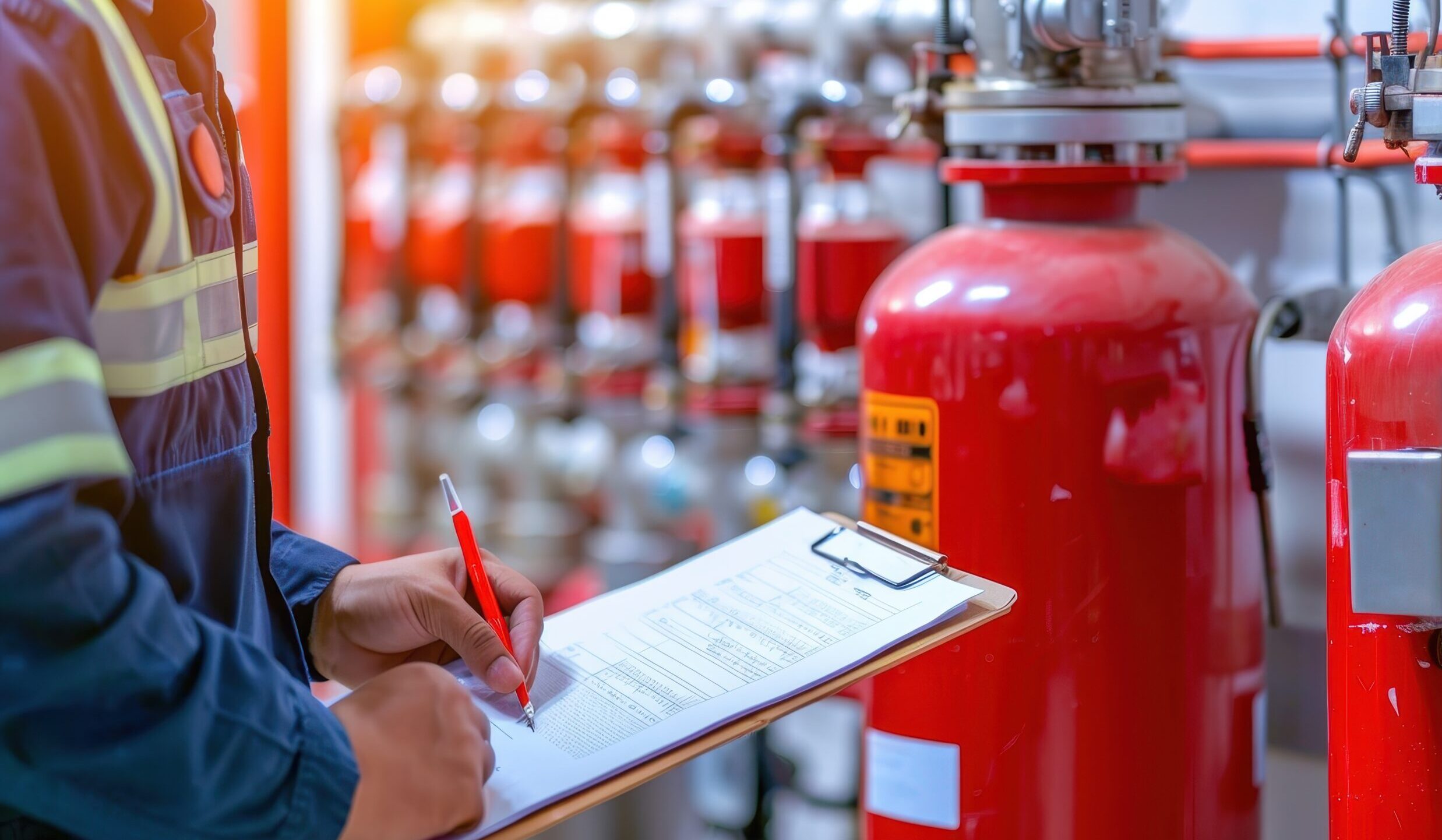
Fire safety consulting also plays a vital role in regulatory approvals and stakeholder coordination. Detailed fire engineering reports document the methodology, modeling outcomes, and compliance pathway used to achieve performance objectives. These reports are submitted to building certifiers and authorities as part of the approval process.
Close collaboration with architects, mechanical engineers, structural designers, and project managers ensures that fire systems are fully integrated into the broader building design. Early engagement reduces the risk of costly redesigns and construction delays.
For completed developments, fire safety consultants may also assist with commissioning reviews, inspections, and ongoing compliance assessments. This ensures that installed systems perform as intended and remain effective throughout the building’s lifecycle.
Conclusion
Fire safety consulting is essential for high rise and commercial developments where complexity demands more than standard compliance. Through performance based design, detailed risk analysis, and coordinated implementation, consultants deliver tailored strategies that protect occupants and assets. By investing in structured fire engineering expertise, developers gain confidence that their buildings achieve both safety excellence and long term operational resilience.